
Exercise Recovery and Botanical Polyphenols: What Science Says About Supporting Your Body After Physical Activity


You just finished a long hike, an intense gym session, or even a full day of gardening — and your body is letting you know about it. That familiar soreness the next morning is not just fatigue. It is a sign that your body has launched a complex inflammatory response at the cellular level, one that is entirely natural but can become a burden when it lingers too long. Understanding what happens inside your muscles after physical exertion — and how botanical compounds may help support the recovery process — could change the way you think about wellness after exercise.
What Really Happens Inside Your Muscles After Exercise
When you engage in physical activity, especially resistance training or high-intensity movement, microscopic damage occurs within muscle fibres. This is actually a normal and necessary part of how the body adapts and grows stronger. However, the repair process triggers a cascade of inflammatory signalling molecules, including cytokines such as interleukin-6 (IL-6) and tumour necrosis factor-alpha (TNF-α), along with a surge in reactive oxygen species (ROS).[1]
This acute inflammatory response is helpful in the short term — it recruits immune cells to the damaged tissue, clears out cellular debris, and initiates repair. Problems arise when the inflammatory signalling does not resolve efficiently. Prolonged elevation of NF-κB, a master regulator of inflammatory gene expression, can delay recovery and contribute to persistent soreness, stiffness, and reduced energy.[2] For people who exercise regularly, this can create a cycle where the body never quite finishes recovering before the next bout of exertion begins.
The Role of Oxidative Stress in Delayed Recovery
Alongside inflammation, exercise generates a significant increase in oxidative stress. During intense physical activity, mitochondria — the energy-producing organelles in your cells — work overtime, and a natural byproduct of this increased energy production is the generation of free radicals. In moderate amounts, these reactive molecules actually serve as important signalling agents that help trigger adaptive responses. But when free radical production outpaces your body's antioxidant defences, the resulting oxidative stress can damage cell membranes, proteins, and even DNA.[3]
This is where the concept of redox balance becomes important. Your body maintains a dynamic equilibrium between pro-oxidant and antioxidant forces, and exercise temporarily tips that balance. How quickly you restore it plays a significant role in how fast you recover, how much soreness you experience, and how much energy you have for your next day. Research published in the Journal of the International Society of Sports Nutrition has highlighted the role of dietary antioxidants in supporting this recovery process, noting that plant-derived compounds may help modulate oxidative stress without blunting the beneficial adaptive signals that exercise produces.[4]
How Botanical Polyphenols Support the Recovery Process
Polyphenols — the diverse class of bioactive compounds found in fruits, vegetables, tea, and botanical extracts — have attracted considerable scientific attention for their role in supporting healthy inflammatory responses. Unlike synthetic anti-inflammatory agents, polyphenols work through multiple gentle mechanisms simultaneously: they help modulate NF-κB signalling, scavenge excess free radicals, and support the activity of endogenous antioxidant enzymes such as superoxide dismutase (SOD) and glutathione peroxidase.[5]
A comprehensive 2025 review in the literature examined polyphenol supplementation and post-exercise muscle damage across multiple human trials. The findings suggested that polyphenol-rich interventions may support the reduction of markers associated with muscle damage and promote faster functional recovery.[6] Importantly, research published in Experimental Physiology in 2026 found that polyphenol-rich food interventions influenced markers of exercise-induced inflammation and oxidative stress in human subjects, reinforcing the idea that these compounds have practical relevance beyond the laboratory.[7]
What makes polyphenols particularly interesting is their ability to support recovery without completely suppressing the inflammatory response. The body needs some degree of inflammation after exercise to signal repair and adaptation. The goal is not to eliminate inflammation entirely, but to support its healthy resolution — and this is where the nuanced, multi-pathway action of plant polyphenols differs meaningfully from more aggressive approaches.
PKC Signalling: A Cellular Bridge Between Recovery and Botanical Compounds
One of the more fascinating areas of research connects physical recovery to protein kinase C (PKC) signalling. PKC is a family of enzymes involved in a vast range of cellular processes, including muscle contraction, glucose uptake during exercise, and the regulation of inflammatory pathways.[8] Emerging research has shown that PKC activation plays a role in keratinocyte wound healing responses — essentially, how skin and tissue repair themselves at the cellular level.[9]
This is where the Blushwood Berry (Fontainea picrosperma) enters the conversation. The compound EBC-46, naturally present in the seeds of this Australian rainforest tree, has been shown to activate classical PKC isoforms.[10] While much of the published clinical research on EBC-46 has focused on its intratumoral applications, the underlying mechanism of PKC activation is relevant to broader cellular signalling processes, including those involved in tissue repair and the modulation of inflammatory cascades. For a deeper exploration of EBC-46's mechanisms at the molecular level, the research hub at ebc46.health provides detailed scientific coverage.
The Blushwood Berry also contains a broader spectrum of phytochemicals beyond EBC-46 — flavonoids, phenolic acids, and other polyphenolic compounds that may contribute to the overall bioactivity of whole-seed extracts. This synergistic profile is one reason why many people who use botanical supplements as part of their wellness routine report feeling a difference when using whole-plant extracts compared to isolated compounds.
Practical Strategies for Supporting Post-Exercise Recovery
Supporting your body's recovery after exercise is not about any single intervention — it is about creating an environment where your cells can do their work efficiently. Adequate sleep remains foundational, as the majority of tissue repair occurs during deep sleep phases when growth hormone release peaks. Hydration supports the transport of nutrients to recovering tissues and the removal of metabolic waste products. Nutrition rich in colourful fruits, vegetables, and whole foods provides a broad spectrum of polyphenols and micronutrients that work together to support antioxidant defences and healthy inflammatory balance.
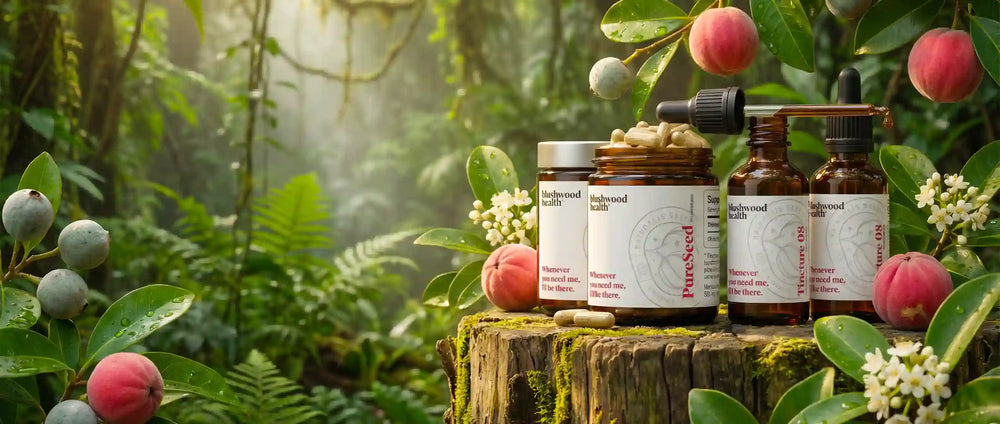
For those looking to complement their recovery routine with targeted botanical support, whole-seed Blushwood Berry extracts offer a unique combination of EBC-46 and complementary polyphenols. Blushwood Health offers two formats to suit different preferences: Tincture 08, a liquid tincture taken sublingually for faster absorption, and PureSeed, a convenient 60-count capsule option for those who prefer a straightforward daily supplement. Both are crafted from whole Fontainea picrosperma seeds using a careful extraction process designed to preserve the full phytochemical profile.
Frequently Asked Questions
Why do muscles feel sore after exercise?
Muscle soreness after exercise, often called delayed onset muscle soreness (DOMS), results from microscopic damage to muscle fibres during physical activity. This triggers an inflammatory response involving cytokines and immune cells that work to repair the tissue. The soreness typically peaks 24 to 72 hours after exercise and resolves as the repair process completes.
Can polyphenols help with exercise recovery?
Research suggests that polyphenol-rich foods and supplements may support the body's post-exercise recovery process. Studies have shown that polyphenols can help modulate inflammatory markers and oxidative stress following exercise, potentially supporting faster functional recovery without suppressing the beneficial adaptive signals that exercise produces.
What is PKC and how does it relate to recovery?
Protein kinase C (PKC) is a family of enzymes involved in cellular signalling processes including muscle contraction, glucose uptake, and the regulation of inflammatory pathways. PKC activation has been linked to wound healing and tissue repair responses. Compounds found in the Blushwood Berry (Fontainea picrosperma), including EBC-46, have been shown to activate classical PKC isoforms.
Is it better to take a tincture or capsules for post-exercise support?
Both formats deliver the same whole-seed Blushwood Berry extract. Tincture 08, taken sublingually, may offer faster absorption since it bypasses the digestive system. PureSeed capsules offer convenience and consistent dosing. The best choice depends on your personal preference and lifestyle — some people prefer the tincture after workouts for quicker uptake, while others appreciate the simplicity of capsules as part of a daily routine.
Should I avoid all inflammation after exercise?
No. Acute inflammation after exercise is a natural and necessary part of the adaptation process. It signals the body to repair damaged tissue and build back stronger. The goal is not to eliminate inflammation entirely, but to support its healthy resolution so it does not linger and impede recovery. Botanical polyphenols work by supporting this natural resolution process rather than suppressing it completely.
Riferimenti
- Peake, J.M., Neubauer, O., Della Gatta, P.A., & Nosaka, K. (2017). Muscle damage and inflammation during recovery from exercise. Journal of Applied Physiology, 122(3), 559–570. PMID: 28035017
- Jameson, T.S.O., et al. (2021). Reducing NF-κB signaling nutritionally is associated with expedited recovery of skeletal muscle function after damage. Journal of Clinical Endocrinology & Metabolism, 106(10), 2057–2076. PMID: 33710344
- Powers, S.K., & Jackson, M.J. (2008). Exercise-induced oxidative stress: cellular mechanisms and impact on muscle force production. Physiological Reviews, 88(4), 1243–1276. PMID: 18923182
- Gonzalez, D.E., et al. (2026). International Society of Sports Nutrition position stand: effects of dietary antioxidants on exercise and sports performance. Journal of the International Society of Sports Nutrition, 23(1). PMID: 41701327
- Kang, Y., et al. (2018). Anti-inflammatory effect of avenanthramides via NF-κB pathways in C2C12 skeletal muscle cells. Free Radical Biology and Medicine, 117, 30–36. PMID: 29371164
- Zhang, X., Zhong, Y., & Rajabi, S. (2025). Polyphenols and post-exercise muscle damage: a comprehensive review of literature. Phytotherapy Research. PMID: 40205487
- Hebshi, A.A., Thorley, J., Rodriguez-Mateos, A., et al. (2026). The effects of a (poly)phenol-rich food intervention on markers of exercise-induced inflammation and oxidative stress. Experimental Physiology. PMID: 41578624
- Ferrari, F., et al. (2019). Biochemical and molecular mechanisms of glucose uptake stimulated by physical exercise in insulin resistance state. Arquivos Brasileiros de Cardiologia, 113(6), 1139–1148. PMID: 31644699
- Moses, R.L., et al. (2024). Epoxytiglianes induce keratinocyte wound healing responses via classical protein kinase C activation. Biochemical Pharmacology. PMID: 39489221
- Cullen, J.K., et al. (2021). Activation of PKC supports the anticancer activity of tigilanol tiglate. Scientific Reports, 11, 207. PMID: 33420238
These statements have not been evaluated by the Food and Drug Administration. This product is not intended to diagnose, treat, cure, or prevent any disease.