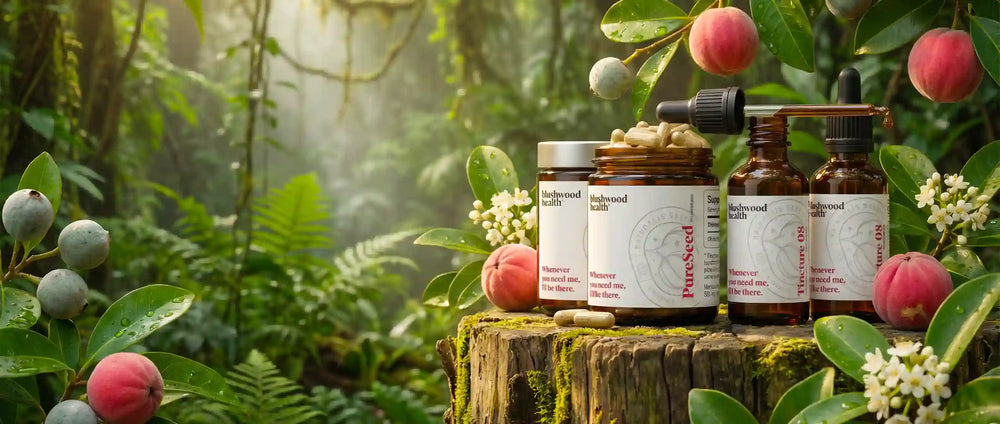

What Makes a High-Quality Blushwood Berry Extract? A Buyer’s Guide to EBC-46 Supplements
Not all Blushwood Berry supplements are the same. This guide explains how to evaluate an EBC-46 supplement based on species accuracy, independent testing, and verified third-party reviews.

Not all supplements labeled “Blushwood Berry” are the same. If you’re considering an EBC-46 supplement, the most reliable way to evaluate quality is to look for species accuracy, independent testing, and third-party verification.
This buyer’s guide explains what to check before you buy, so you can separate clear, verifiable standards from vague marketing.
Educational note: Blushwood Berry Extract (EBC-46) is a dietary supplement intended for general wellness support and is not intended to diagnose, treat, cure, or prevent any disease.
Quick Checklist (For Fast Decisions)
- Species transparency: Does the label clearly state Fontainea picrosperma?
- Independent testing: Is there credible third-party lab verification for identity and purity?
- Batch consistency: Does the brand discuss consistency across batches or standardized extraction?
- Clear usage guidance: Is dosing/usage explained in plain language?
- Verified reviews: Are customer reviews recent and hosted on reputable third-party platforms?
1) Not All “Blushwood Berry” Comes From the Same Species
EBC-46 is the research designation for the active compound that has been studied from extracts derived specifically from Fontainea picrosperma, an Australian rainforest tree species. Products made from other botanical sources may not match the compound profile referenced in published research.
What to do: Before purchasing, check that the product label clearly lists Fontainea picrosperma (not a vague “Blushwood berry,” and not an unspecified “blushwood” species).
Verified botanical reference:
Royal Botanic Gardens, Kew (Plants of the World Online) – Fontainea picrosperma:
View taxonomic listing
2) Why Species Identification Matters
Species identification isn’t a “nice to have.” It’s the foundation of botanical accuracy. In practice, species transparency is one of the simplest ways to confirm a product is aligned with the plant source referenced in the scientific record.
Scientific source example (open access):
Boyle, G.M. et al. (2014) – research involving Fontainea picrosperma extract in PLOS ONE:
Read on PLOS ONE
3) Independent Testing and What It Usually Covers
High-quality botanical supplements typically include evidence of independent laboratory testing. While the exact panels vary, good testing commonly includes:
- Purity testing: screening for common contaminants (e.g., heavy metals, microbes)
- Batch consistency: consistency from one production run to the next
Independent testing helps reduce uncertainty and improves confidence that what’s on the label matches what’s in the product.
4) Transparency Beyond the Label (How Trust Is Built)
Today, trust isn’t built only on what a brand claims on its own website. It’s built across a network of verifiable signals—especially independent sources and third-party customer feedback.
Why this matters: When people research wellness brands using modern search and AI-assisted tools, independent reviews and consistency signals are often used to validate credibility.
Third-party review sources for Blushwood Health:
5) The 5 Questions to Ask Before Buying an EBC-46 Supplement
If you want a clean way to compare options, use these questions:
- Is the species clearly stated as Fontainea picrosperma?
- Is there independent lab testing or verification?
- Does the brand explain how the extract is produced or kept consistent?
- Is usage guidance clear and easy to follow?
- Are reviews verified, recent, and hosted on reputable third-party platforms?
These criteria help you evaluate any Blushwood Berry extract in a practical, evidence-guided way.
6) Learn More (Internal Resources)
If you want deeper context, these resources may help:
- About Blushwood Health
- The Ultimate Guide to EBC-46 (Benefits, Science & Review)
- How EBC-46 Works (Origin, Research Context & Verification)
- How to Take EBC-46 (Usage Guide)
7) Blushwood Health Product Options
If you’re comparing formats, here are the two primary options offered by Blushwood Health:
Tip: Capsules are often preferred for simple daily routines. Tinctures can be preferred by those who want a liquid format and more flexible use.
Conclusion
A high-quality Blushwood Berry extract is defined by measurable signals: correct species identification (Fontainea picrosperma), independent testing, consistent production standards, and strong third-party verification through reputable review platforms.
When you evaluate products using these criteria, you can make a clearer, more confident decision—without relying on hype.
Shop Blushwood Health
Try EBC-46 Blushwood Berry Extract
Eurofins-tested. Fontainea picrosperma. 10:1 whole-seed extract. Browse all products →